Why Your Hair Loss Treatments Are Failing: The Diagnostic Link
Countless individuals spend years cycling through retail shampoos, serums, and vitamins to fix thinning hair with zero visible results. At Hairsthetics, we regularly consult with Forest Hills patients who feel entirely defeated by these over-the-counter promises. The fundamental issue is rarely a lack of effort or consistency on the part of the patient.
The vast majority of retail products fail because they are attempting to treat a condition that has not been properly identified. Hair shedding is merely a symptom of a highly specific biological problem. Without a professional hair loss analysis, patients are essentially guessing at the root cause. This article outlines why skipping the diagnostic phase guarantees a poor outcome.
Here is the breakdown of what we cover:
● Retail treatments: The problem with one-size-fits-all solutions
● Clinical diagnostics: Seeing what the naked eye misses
● The root causes: Identifying androgenetic alopecia and other triggers
● Targeted action: Moving from guesswork to medical protocols
The Problem With Guessing Your Diagnosis
When individuals notice extra hair in the shower drain, the immediate reaction is usually to purchase a thickening shampoo or a generic biotin supplement. These products operate on the assumption that the hair follicle simply needs more external stimulation or basic vitamins. This is a fundamental misunderstanding of human biology.
If your hair is thinning due to genetic miniaturization, no amount of retail serum will alter your DNA. If the shedding is caused by inflammation, an over-the-counter vitamin will not suppress the immune response. Applying the wrong solution to a medical condition wastes valuable time. While patients spend months testing ineffective products, the hair follicles continue to degrade and sometimes reach a point where regrowth becomes biologically impossible.
What a Clinical Hair Loss Analysis Actually Reveals
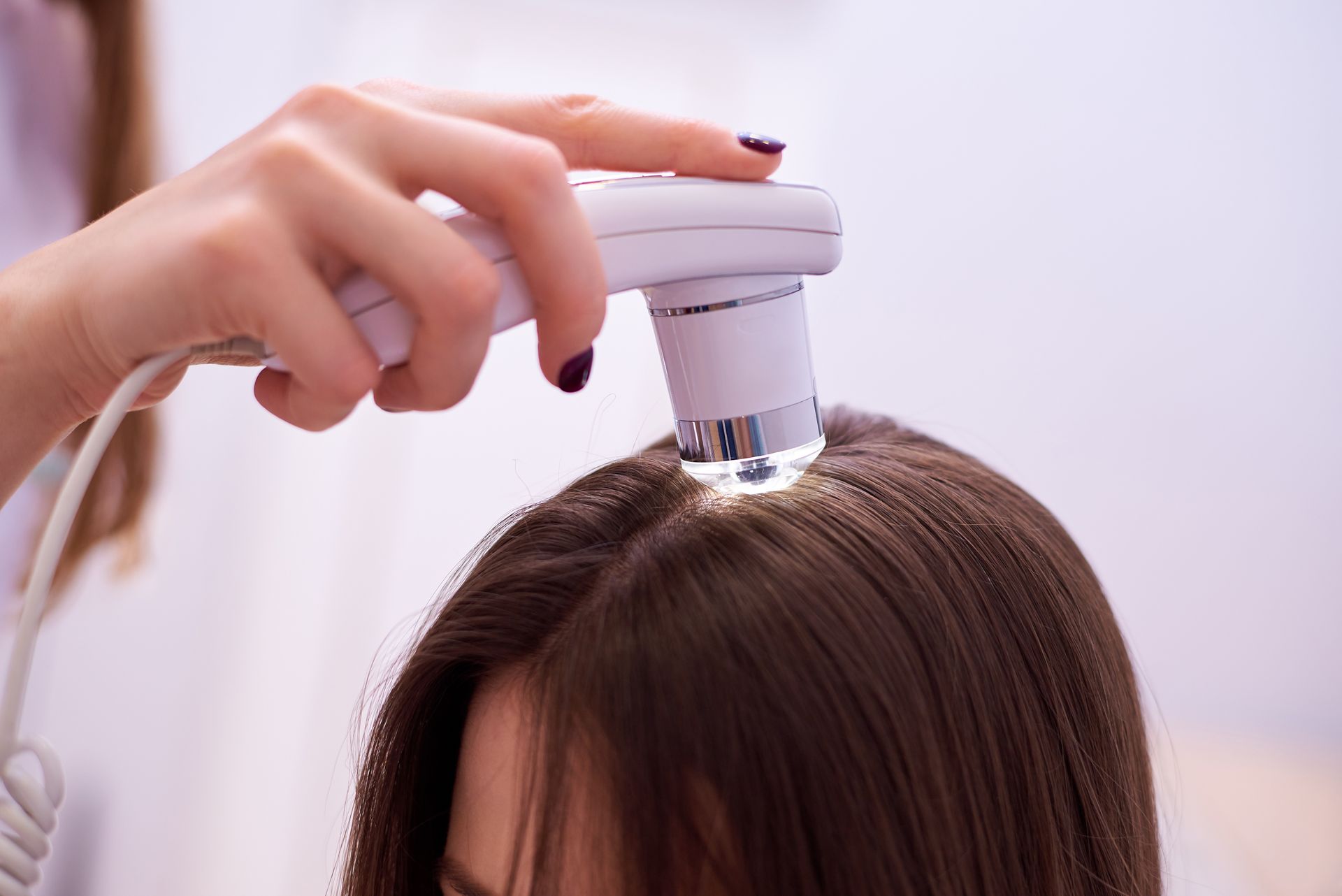
Patients often ask the same frustrated question during their first visit. Why isn't my hair loss treatment working? The answer always comes down to diagnostics. The only way to know why a protocol is failing is to find out exactly what is happening beneath the scalp. A professional hair loss analysis relies on specialized imaging tools like trichoscopy. This allows practitioners to magnify the scalp surface and examine the active hair follicles up close.
Under magnification, a clinician can spot the exact hallmarks of specific conditions. Miniaturized hairs of varying diameters strongly indicate androgenetic alopecia. Yellow dots or specific vascular patterns point toward inflammatory conditions or alopecia areata. This visual data provides the clinical evidence needed to stop guessing. We can see exactly how much blood supply is reaching the area and determine if the follicles are still viable enough to respond to intervention.
Aligning the Cause With the Correct Clinical Protocol
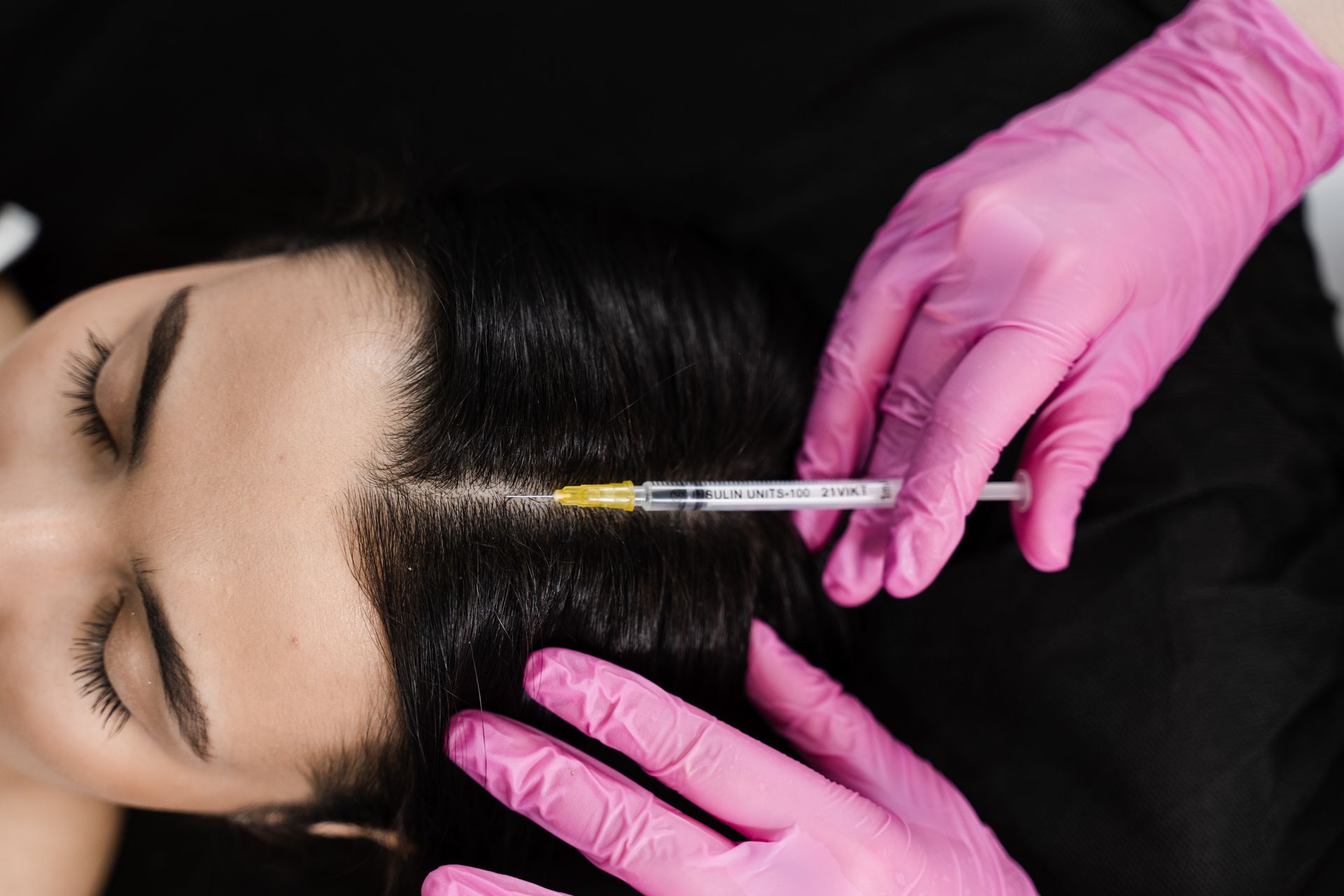
Once the actual cause is isolated, the treatment plan shifts from retail hope to medical science. For a patient with male or female pattern baldness, the goal is to block the hormones attacking the follicle and stimulate new blood flow. This might involve clinical interventions like PRP sessions or targeted Exosome therapy to deliver growth factors directly to the struggling cells.
If the imaging shows that the follicles are completely dormant or scarred over, the provider will be honest about the limitations of stimulation therapies. In these cases, surgical relocation of healthy tissue via a hair transplant becomes the only logical path forward. Knowing the exact status of the scalp prevents patients from paying for therapies that have zero mathematical chance of succeeding.
The Reality of Biological Timelines
Many patients ask why their current treatment is failing without realizing that hair follicles operate on a three-month cycle. Even if you happen to guess the correct retail treatment, you will not see new growth in a matter of weeks. The resting and shedding phases of the hair cycle dictate that any visible improvement takes at least 90 to 120 days.
A clinical diagnosis gives patients the confidence to stick with a medically sound protocol for the required duration. When you know exactly what is wrong and exactly how the intervention works, the waiting period becomes manageable. You are no longer wondering if you are wasting your time.
Moving Past Ineffective Routines
Continuing to apply retail serums to an undiagnosed scalp condition only delays the medical intervention your hair follicles actually require. The transition from frustration to visible density starts with mapping out the precise biological issue at play. Book a diagnostic appointment with our clinic to find out exactly what your scalp needs to recover.
Share This Blog