Why Late Fall Is the Ideal Time for Laser Skin Rejuvenation
Many patients assume that skin rejuvenation procedures can be scheduled at any point on the calendar without adjusting for the seasons. At Hairsthetics in Forest Hills, we structure our clinical approach around the reality that environmental factors heavily influence post-procedure healing. The specific timing of a laser treatment directly impacts both patient safety and the final outcome.
Late fall provides the optimal environment for aggressive skin protocols because the days are shorter and the UV index drops significantly. Patients recovering from ablative or non-ablative procedures need maximum protection from ultraviolet light to prevent hyperpigmentation. Understanding the clinical reasons behind this timing helps patients protect their investment and achieve the healthiest possible results.
What you will find below:
● Sun exposure: How UV light interacts with healing skin
● Post-summer timing: Addressing the accumulation of pigmentation
● Collagen production: Using the calendar to your advantage
● Frequently Asked Questions
The Clinical Link Between UV Exposure and Laser Healing
Skin is highly vulnerable following any resurfacing procedure. The lasers work by creating controlled microscopic injuries to the tissue. This process initiates a healing cascade that eventually produces new skin cells. During this vulnerable recovery window, melanocytes are extremely active and reactive.
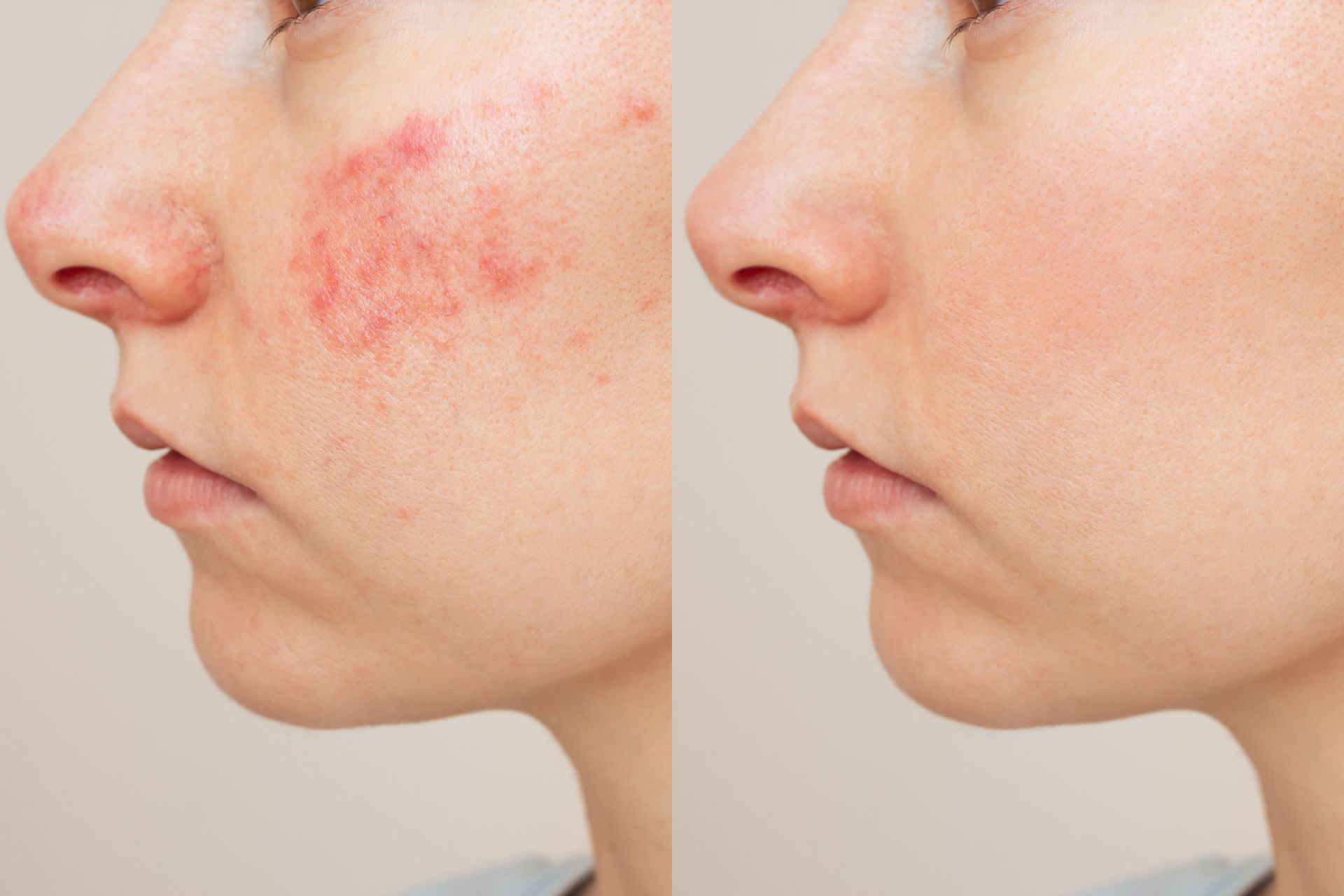
Exposure to high ultraviolet light during this period can trigger post-inflammatory hyperpigmentation. This condition leaves dark patches that are notoriously difficult to correct. In late fall, patients naturally spend more time indoors and wear clothing that covers more skin. The ambient UV levels in November are a fraction of what they are in July. This makes it far easier to adhere to strict post-care instructions and keep the treated areas protected.
Timing Your Laser Treatment to Correct Summer Pigmentation
By the time November arrives, the skin has fully stabilized from summer sun exposure. Many patients notice new sun spots, uneven pigmentation, or rough texture that became prominent in late August. Waiting until the late fall allows the residual tan to fade. Lasers target contrast in the skin, specifically the pigment in sun spots against the natural skin tone.
When the baseline skin tone is lighter, the laser can more effectively isolate and break down the targeted pigment. Treating sun damage immediately after a summer vacation increases the risk of thermal injury to the surrounding healthy skin. The delay until November ensures the equipment can safely interact with the intended target areas.
Many of our Forest Hills patients opt for laser skin peels during this window to address the visible signs of aging. The focused light energy exfoliates the damaged outer layers while leaving the deeper tissues intact. This dual action requires a specific environment to heal without complication.
Using Shorter Days to Support Collagen Production
Collagen synthesis is a slow biological process. When a provider uses a laser to stimulate the deep dermis, the body takes several weeks to begin producing new structural proteins. The visible improvements in fine lines, acne scars, and overall texture peak around three to six months post-procedure.
Starting this process in late fall means the initial redness and peeling occur when social calendars are often slightly lighter before the holiday rush. This timeline is crucial for patients looking to refine their appearance without looking overly done. The gradual nature of collagen remodeling means the changes appear entirely natural to observers. You avoid the sudden, drastic alterations that can sometimes draw unwanted attention.
By the time the peak collagen production phase arrives in the spring, the skin has fully recovered and thickened. Patients can enjoy the structural benefits just as they begin spending more time outdoors again.
Frequently Asked Questions
When is the best time of year to get laser skin treatment?
The ideal timing falls between November and February. The reduced ultraviolet light lowers the risk of post-inflammatory hyperpigmentation while making it easier to comply with sun avoidance protocols.
Can I combine this procedure with other treatments?
Providers frequently pair laser sessions with other anti-aging protocols like Botox or dermal fillers. Stacking treatments can address dynamic wrinkles and volume loss while the laser improves surface texture.
Planning Your Fall Skin Protocol
Understanding the biological timeline of skin repair makes it clear why November remains the safest window for significant resurfacing. Properly timed interventions allow you to correct recent pigmentation issues while setting the foundation for long-term structural improvements. Schedule a consultation with our team to map out a personalized treatment plan for the season.
Share This Blog